

Patio Heater Gas Regulator
Patio heaters emit warm light to counteract the cold night air and create a comfortable space to relax and enjoy drinks and appetizers. These kinds of gas-powered heating appliances have seen a boom in popularity among hospitality establishments.
It is important to have an propane gas regulator or butane gas regulator installed in your outdoor heater. This will ensure that it operates properly. A heater that does not ignite or emits a low-flame are common problems.
Propane
Propane is a dependable and versatile energy source that can be used for cooking, heating water heaters, cooking and more. It's an excellent alternative to natural gas since it provides similar advantages for comfort at home, but is more affordable and eco-friendly.
Propane produces fewer greenhouse emissions than gasoline or oil and emits almost no particles when it is burned. This makes it a more secure option for commercial and residential use than other types of fossil fuels. Because of its safe, non-toxic characteristics, propane is also unable to contaminate soil or groundwater in the event of a leak, as other fuels could.
Propane does not need to travel through pipelines, and it can be delivered to your office or home via the form of a portable tank. This flexibility makes propane a great option for areas that are difficult to access with natural gas or for homeowners who want to install an outdoor fireplace, patio heater or kitchen.
Most propane users choose to install a tank underground on their property because it's convenient, saves space, and helps protect the environment. Propane tanks are made from durable steel and have safety shut-offs to prevent accidental spills or leaks. The National Fire Protection Association also enforces strict guidelines on how to handle and store propane tanks. This makes accidents rare.
In the case of heating homes, propane is a cost-efficient alternative to natural gas and electricity because it is able to warm homes more quickly. It also provides a higher degree of comfort as it is more efficient in controlling the temperature of the inside. Propane can reduce utility bills, by eliminating the need for massive and cumbersome utility meters.
Propane is not only an excellent source of energy for your home, but it's also a popular option for outdoor activities such as grilling. Propane grills require less fuel and produce less emissions than grills constructed of charcoal. Propane is also ideal for outdoor fireplaces, fire pits, patio heat sources and heaters for pools and spas.
For businesses propane is a desirable alternative to electric power since it can run equipment like forklifts and generators, in addition to providing backup power in the event of power outages. It's also a great fuel for heating commercial and industrial areas like warehouses, factories and hospitals.
Butane
Butane, unlike propane, is a lighter gas that rises when heated and is used to heat patios outdoors. Like propane, it can also be stored indoors in a cylindrical. Butane and propane both are LPG fuels (Liquefied Petroleum Gas). where to buy patio gas near me are low-carbon and extremely efficient. They are used in appliances such as gas barbecues and outdoor heating. amazon gas patio heater can also be used to help reduce greenhouse gas emissions.
The primary difference between propane and butane is that butane has an lower boiling point than propane and needs to be stored in a cool area so that it can keep the gas in the liquid state. This is the reason it is better suitable for outdoor grills and patio heaters where temperatures are more warm. Both types of bottled gases can be used to power appliances like this. Which one you select is based on your personal preferences and what kind of appliance you have.
Patio gas is a convenient green cylinder that contains butane or propane. They can be purchased from a petrol station or larger DIY stores. The cylinders are connected to the leisure appliance using a clip-on gas regulator that is marked with a 'B" for butane and a "P" for propane. Nearly all gas barbecues and outdoor heating units work with both types of cylinders.
Butane, a hydrocarbon is found in crude oil and natural gases. It is also an important component of liquefied petrol gas (LPG) as well as substitute natural gas. It is present in ambient urban air at levels of 0.30 milligrams, and it can be found in crude oil and refinery cracking products as as in the paraffin fraction of natural gas that is recovered and natural gas(1).
Butane and propane are both safe and safe for outdoor use. They also emit less carbon monoxide than other bottled gases, so you can enjoy your heater on the patio without worrying about any negative impacts on the environment or your health. Butane gas is a light-weight gas that ignites instantly. You can ignite a fire in a matter of minutes.
Patio Gas
Patio heaters are a great addition to any outdoor space and can add a touch of elegance to any garden. The gentle glow they produce also helps to create a warm and inviting atmosphere that makes people want to stay longer, enabling you to have conversations and laughter all night long.
Most patio heaters can be powered by propane or butane, and come in a range of sizes. Propane is sold in green 'patio bottles' (5kg or 13kg) that fit standard clip-on regulators with 27mm. Butane is, on the other hand, is usually sold in red cylinders that range from 3.9kg to 47kg. Both types of gas are suitable for use with patio heaters. However, propane is recommended because it has a lower melting point and can continue to operate down to -40degC. Butane may struggle.
Natural gas patio heaters are connected to your home's gas supply which eliminates the requirement for separate storage of fuel. This can be a hassle for many households. This allows you to use your patio heater at any time it is convenient for you, without worrying about locating a suitable location for a propane tank, or taking extra precautions when working with material that is flammable.
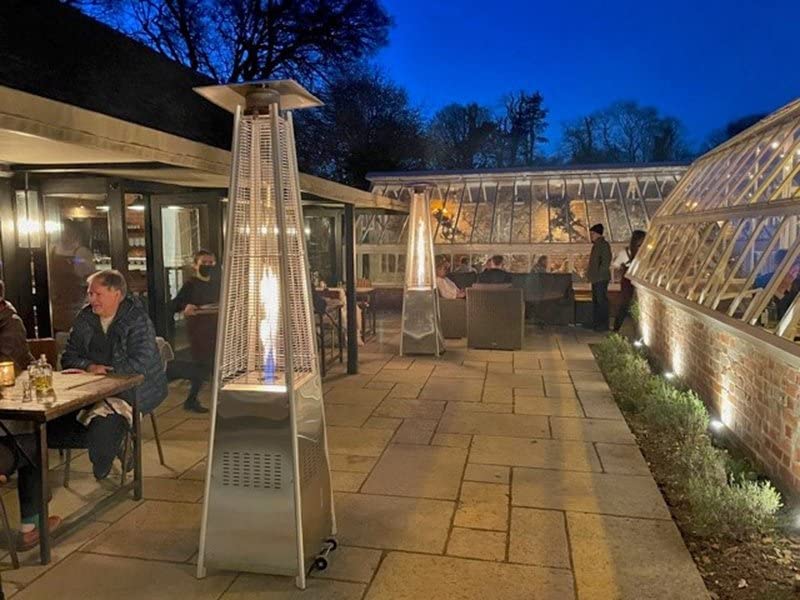
Gas patio heaters provide the full range of heat and are able to quickly warm a space which makes them a great option for winter gardens. Gas patio heaters can be paired with dimmable lights for outdoor use to create a cozy environment and encourage guests to stay for longer.
The addition of a gas-powered patio heater to your home can help to improve its resale value, as potential buyers will be impressed by the convenience and convenience it offers. You can also select from a wide range of styles and sizes to fit your space including standing patio heaters to wall- or ceiling-mounted units for larger spaces. In any case, a gas patio heater will provide you and your family with a great place to enjoy some quality time together.
Safety
In recent times, patio heaters as well as other heating appliances that use gas that are for commercial and private use, have witnessed an increase in popularity. These devices can quickly and efficiently warm up a cozy patio with the click of a button. These devices are popular with those who wish to warm their terrace in the evening, or for a garden party or barbecue. For this type of use, the required nominal pressure is different from the one used in a commercial environment.
It is essential to choose the correct pressure regulator. This is particularly important when it comes to devices that will be used for commercial purposes for instance, in a restaurant, snack bar or a Christmas market stall. The pressure regulator must be rated for the maximum operating pressure that the device will likely encounter in such a place.
Proper maintenance and proper use of a propane patio heater are crucial to get the longest lifespan from this type of appliance. A few simple tips will help keep your heater working efficiently and prevent a myriad of common issues that can be encountered.
For example, if your heater stops working after a short time it is usually caused by the thermocouple moving too far from the pilot light. To remedy this, simply remove the access panel and gently squeeze the thermocouple using pliers to bring closer to the flame that is piloted. This should restore the connection and allow the heater to function again.
Another common issue is a malfunctioning burner. It could be a good alternative to replace your burner assembly with one specifically designed for your heater model. This will ensure that you have an appropriate fit and the burners are calibrated to match your gas supply.
When you are not using it, it is important to store your gas heater in a spot which will shield it from precipitation and wind. Proper storage can extend the life of your heater by preventing premature wear.